
Software Engineer, Web Designer & Son of Farmer
Corn: Nutrition Facts and Health Benefits
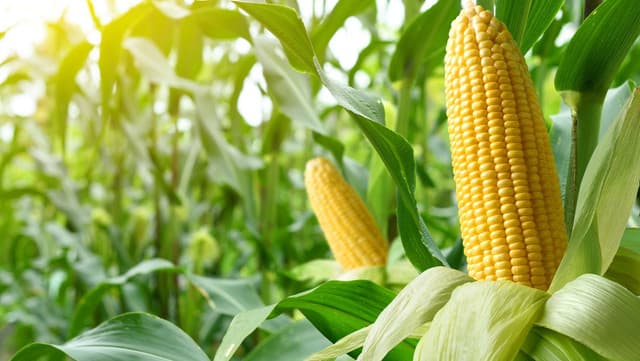
Corn, also known as maize, is a staple cereal grain widely cultivated around the world. It is one of the most important agricultural crops and plays a vital role in the economy, food supply, and culture of many countries. Here’s an overview of corn, covering its history, types, cultivation, nutritional value, uses, and environmental impact.
History and Origin
- Domestication: Corn was first domesticated by indigenous peoples in southern Mexico around 9,000 years ago. It was developed from a wild grass called teosinte.
- Spread: Over centuries, it spread throughout the Americas, and after European colonization, it was introduced to Europe and other parts of the world.
- Cultural Significance: Corn is integral to many Native American cultures, featuring prominently in rituals, food, and traditional crafts.
Types of Corn
Corn can be categorized into several varieties based on its uses and characteristics:
- Sweet Corn: Eaten as a vegetable, sweet corn has a higher sugar content and is harvested when immature. It is commonly consumed fresh, canned, or frozen.
- Field Corn: Also known as dent corn, this type is primarily grown for animal feed, industrial products, and processed foods. It has a higher starch content.
- Flint Corn: Recognizable by its hard outer shell, flint corn is used for cornmeal and as livestock feed.
- Popcorn: A special type of corn that pops when heated due to its moisture content and hard outer shell.
- Blue and Red Corn: These varieties have pigments in their kernels and are used for specialty products, including tortillas and snacks.
Cultivation
- Growing Conditions: Corn thrives in warm climates with well-drained, fertile soil. It requires full sun and plenty of water.
- Planting: Typically planted in spring, corn is usually sown in rows. The seeds are spaced to allow for sufficient airflow and nutrient absorption.
- Pollination: Corn is wind-pollinated. The male flowers (tassels) release pollen, which is carried by the wind to the female flowers (ears).
- Harvesting: Corn is usually harvested in late summer to early fall when the kernels are mature and dry.
Nutritional Value
Corn is a rich source of carbohydrates and offers various nutrients:
- Macronutrients: High in calories, mainly from carbohydrates, corn provides energy. It contains some protein but is low in fat.
- Vitamins and Minerals: Corn is a good source of B vitamins (especially B6 and folate), vitamin C, magnesium, and potassium. Yellow corn is rich in carotenoids, such as lutein and zeaxanthin, which are beneficial for eye health.
- Fiber: Corn is a good source of dietary fiber, promoting digestive health.
Uses of Corn
Corn has a multitude of applications across different industries:
- Food Products: Used in tortillas, popcorn, cornmeal, corn syrup, and other processed foods. It is also a key ingredient in many snack foods and breakfast cereals.
- Animal Feed: A significant portion of field corn is used as livestock feed.
- Industrial Uses: Corn is used to produce ethanol (a biofuel), corn oil, and various biodegradable plastics.
- Cornstarch: Extracted from corn, cornstarch is used as a thickening agent in cooking and food processing.
- Corn in Culture: Corn has cultural significance in various societies, often used in traditional dishes, celebrations, and crafts.
Environmental Impact
- Sustainability Concerns: Corn farming can contribute to soil erosion, nutrient depletion, and water pollution from fertilizers and pesticides.
- Genetically Modified Organisms (GMOs): A significant percentage of corn grown in some countries is genetically modified for traits such as pest resistance and herbicide tolerance, raising debates about environmental impact and food safety.
- Crop Rotation: To maintain soil health, farmers often practice crop rotation, alternating corn with legumes or other crops to replenish soil nutrients.
Advantages of Corn
- High Yield: Corn is one of the highest-yielding crops, providing a significant amount of food per acre.
- Versatility: Used in a wide variety of food products, animal feed, and industrial applications.
- Nutritional Benefits: Provides essential nutrients and dietary fiber, contributing to a healthy diet.
- Economic Importance: Supports farmers and the economy; a critical component of food security.
- Biofuel Production: Corn is a major source of ethanol, contributing to renewable energy efforts.
Disadvantages of Corn
- Environmental Impact: Intensive corn farming can lead to soil erosion, water pollution, and depletion of nutrients.
- Health Concerns: High consumption of processed corn products (like high-fructose corn syrup) is linked to health issues, including obesity and diabetes.
- Monoculture Risks: Relying heavily on corn can lead to biodiversity loss and make crops more susceptible to pests and diseases.
- GMO Controversies: Genetically modified corn raises ethical and safety concerns for some consumers and environmentalists.
- Water Usage: Corn requires significant amounts of water, which can strain local water resources, especially in arid regions.
Conclusion
Corn is a versatile and essential crop that plays a crucial role in global agriculture, nutrition, and economy. Its diverse applications, from food and animal feed to industrial products, make it a significant component of modern life. As the world faces challenges related to food security and environmental sustainability, corn will continue to be an important crop, necessitating responsible agricultural practices and innovations.